Capacity Development for Community-Led Development
Understanding the Theme: Community-led development (CLD) is about changing relationships between ordinary people and people in positions of power, whether at the community, district, or national level, so that people can take part in the issues that affect their lives. CLD is driven by the principle that people with a real stake in their development have the primary knowledge and experience that, if tapped, can help us find leverage points where interventions can be devised and implemented at minimal cost with maximum results, thereby helping households and communities fulfill their wellbeing goals. Community-led development, therefore, involves processes that tap people’s knowledge and experience to find solutions, harness people’s potential to participate in their own development through effective relationships with authorities and institutions at all levels. It promotes inclusion and equity in development because all have a stake in development, including the weak such as women and children as well as the old.
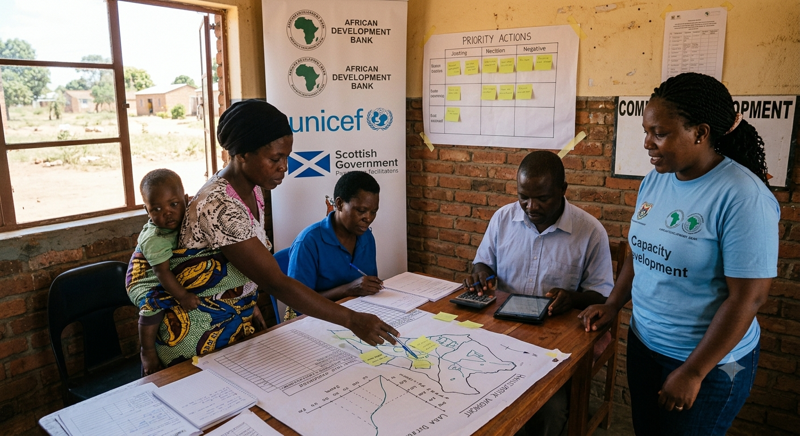
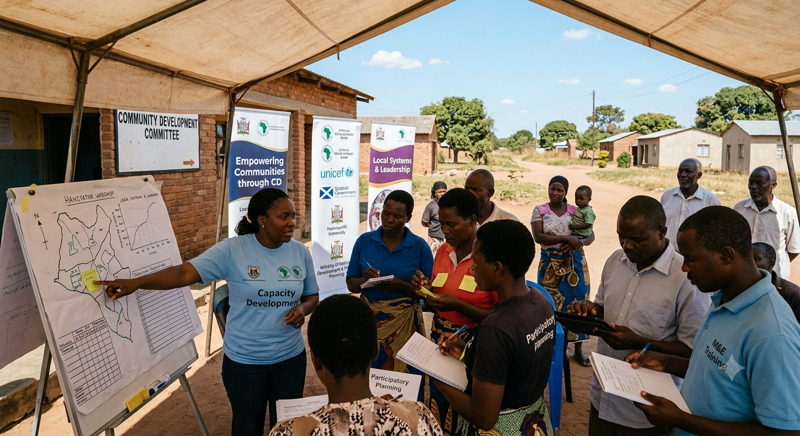
Coverage: Focal areas under this theme include: community economic development (such as creating linkage to the markets); community capacity building (empowering communities to plan and initiate development); social capital formation (e.g. health, education, water and sanitation); political participatory development (e.g. adaptive governance systems, political and fiscal devolution); community-based natural resource management (including community forest management initiatives, including climate change adaptation); asset-based community development (e.g. infrastructure development); community-based participatory monitoring and evaluation (PME) – which empowers communities to monitor the implementation, performance and impact of community-driven development initiatives; community mobilization – including enhanced community stakeholder participation across all socio groups; and, gender equity, which includes going beyond mere participation in development initiatives to improved livelihood empowerment of women and girls. The empowerment of other disadvantaged socio groups such as the disabled, the aged, the terminally ill and the youth are also dealt with.
Qualifications of Consultants: Staff working in this space have vast experience, skills, and knowledge in fields such as development, sociology, anthropology, economics, gender studies, and agricultural development. They also have extensive experience working with communities and applying various participatory methods. They have over ten years of post-qualification experience in facilitating community-led development, including at least five years collaborating with government bodies, international agencies, NGOs, or development consultancies. They possess practical expertise in combining participatory methods with quantitative approaches, backed by strong writing skills that translate complex research into clear, compelling narratives.